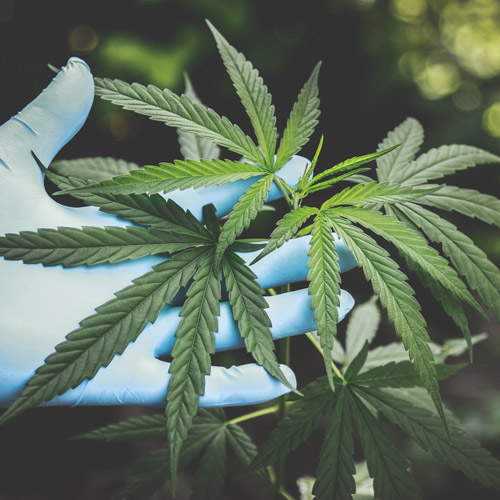
Cannabidiol, or CBD, is a naturally occurring compound found in hemp plants of the cannabis sativa species. CBD is one of over a hundred phytocannabinoids found exclusively in cannabis that contribute to the therapeutic profile. CBD is not like THC (tetrahydrocannabinol). It is non-intoxicating which means it will not get you high while still providing health benefits.
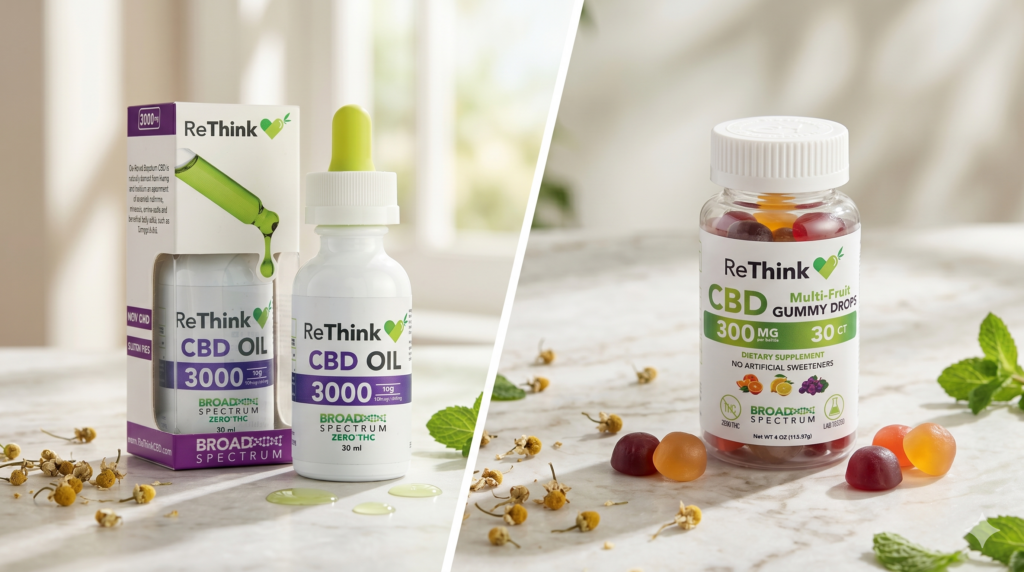
Cannabidiol oil is easy to use, which makes it appealing to those who are hesitant to try it for the first time. CBD interacts with our bodies by mimicking and augmenting the effects of the compounds in our bodies called “endogenous cannabinoids” – so named because of their similarity to compounds found in the cannabis plant.
Endocannabinoids are part of what scientists refer to as the endocannabinoid system or ECS. The endocannabinoid system regulates physiological processes that affect our everyday experience. Things like mood, energy level, intestinal fortitude, immune activity, blood pressure, bone density, glucose metabolism, how we experience pain, stress, hunger, and more.
The ECS is responsible for maintaining homeostasis, or balance in the body, and it’s been shown to play a role in memory and learning. CBD may help by boosting ECS activity. One animal study showed that when rats were given a daily dose of CBD, they exhibited more efficient memory function.
![[#1] Best CBD Products Made in USA | THC Free | CBD ReThink](https://cbdrethink.com/wp-content/uploads/2019/03/logo.png)