![[#1] Best CBD Products Made in USA | THC Free | CBD ReThink](https://cbdrethink.com/wp-content/uploads/2019/03/logo.png)
The state of the world these past couple of years has really forced all of us to look inward and prioritize our health and safety above all. With so many threats around that can potentially harm us, it’s safe to say that we are under quite a bit of stress. Focusing on our body’s health and more specifically on that of our immune system, has become an integral part of our everyday life.
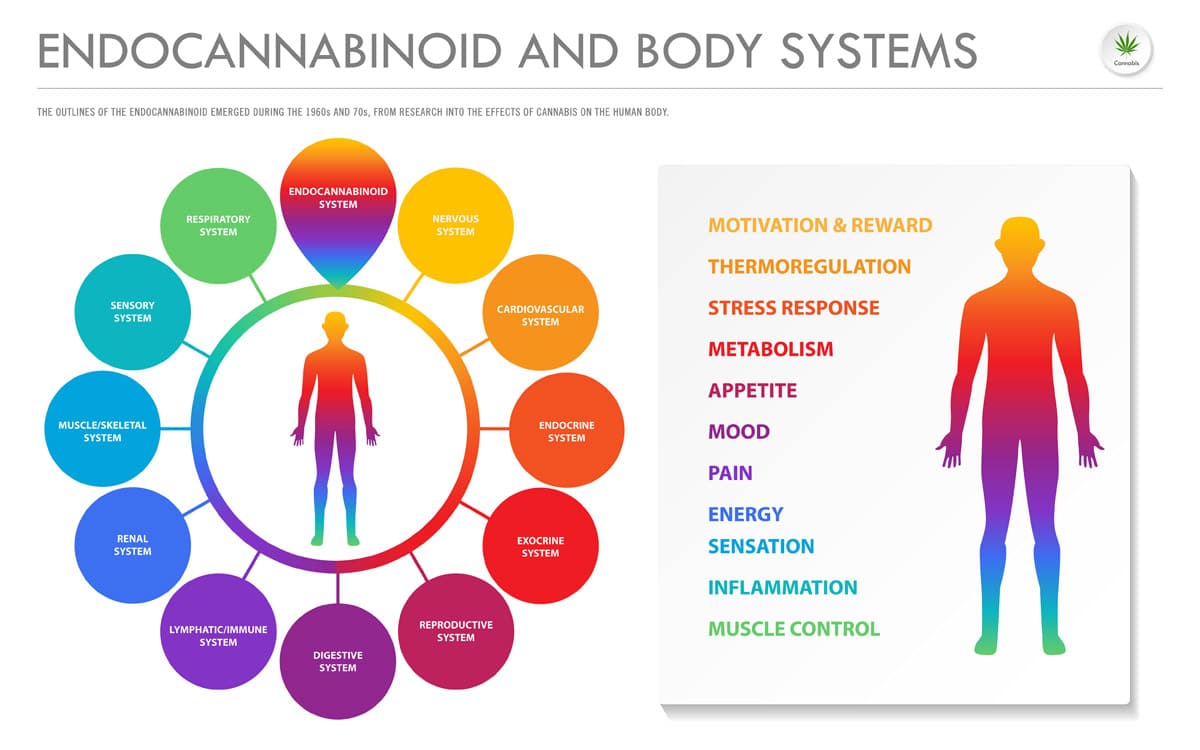
In today’s article we’re discussing CBD and how it affects the immune system through the endocannabinoid system (ECS) and other mechanisms. We will also give some tips on how to optimize immune function and overall wellbeing. By the end of this, you’ll be educated on the many functions of the ECS and how CBD is a key pillar for immune health.
What is CBD?
Cannabidiol, CBD for short, is a plant compound known as a cannabinoid which is derived from the cannabis sativa hemp plant. Within the hemp plant, there are hundreds of different compounds and various cannabinoids that have different functions. CBD products are made by extracting the cannabinoid from the hemp plant and mixing it into a carrier oil to make CBD oil.
Carrier oils vary as some brands use coconut oil, while others prefer to use hemp seed, or olive oil. If you have a preference, be sure to read the labels before purchasing any CBD oils. Here at ReThink, we do a mix of hemp seed and MCT oil for omega-6 and omega-3 fats as well as other acids that support health (i.e., linoleic acid).
Cannabidiol has grown in popularity over the last several years due to the positive impact it has had on so many individuals. Testimonials demonstrate that cannabidiol has helped many people find relief from chronic pain, autoimmune diseases, anxiety, and more. As popularity grows, so does scientific research. Many studies suggest that CBD has health promoting properties including that of anti-anxiety, anti-inflammatory, and pain-relieving properties.