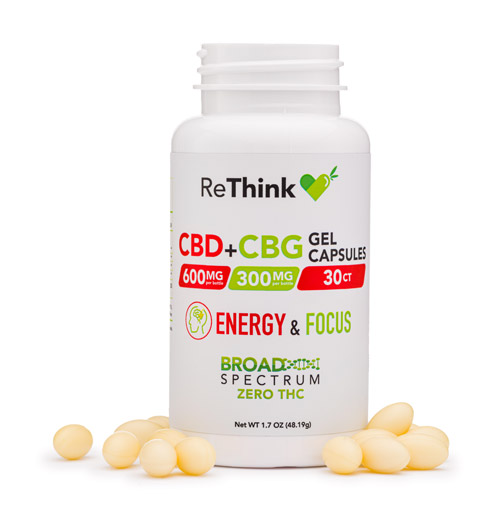
A non-intoxicating cannabinoid known as cannabigerol, or CBG, does not result in the characteristic high associated with THC. The processing of phytocannabinoids (derived from plants) and endocannabinoids are completed through numerous CB1 and CB2 receptors.
Homeostasis, a balanced state, is maintained by the receptors. Research suggests that CBG’s enormous medical potential may help support several diseases. The lack of intoxicating effects of this cannabinoid, and its numerous qualities, suggest that it may end up playing a significant role in medicine.
It has been demonstrated to provide a variety of therapeutic advantages, including the following:
Animal studies using mice have proven CBG to have anti-inflammatory characteristics that reduce the symptoms of Crohn’s disease.
The study shows CBG protects neuroprotective properties that may be very helpful for those with Huntington’s disease, a hereditary and degenerative brain ailment.
Cannabigerol may be able to treat bladder dysfunction diseases and prevent them from occurring. Evidence suggests that CBG significantly improved bladder contractions in both rats and human.
In another study conducted by the Department of Biological Sciences, University of Lethbridge, Lethbridge, AB, Canada, CBG slowed down the growth of cancer cells, primarily those of colorectal cancer, which is a significant advancement in the fight against this illness.
CBG may be a valuable ally for patients with glaucoma, a condition that damages the optic nerve. Endocannabinoid receptors are found in the eye, and CBG may have nerve fiber and intraocular pressure-lowering effects. CBG may also be a powerful antibacterial agent, especially when administered topically to treat skin infections.
![[#1] Best CBD Products Made in USA | THC Free | CBD ReThink](https://cbdrethink.com/wp-content/uploads/2019/03/logo.png)