![[#1] Best CBD Products Made in USA | THC Free | CBD ReThink](https://cbdrethink.com/wp-content/uploads/2019/03/logo.png)
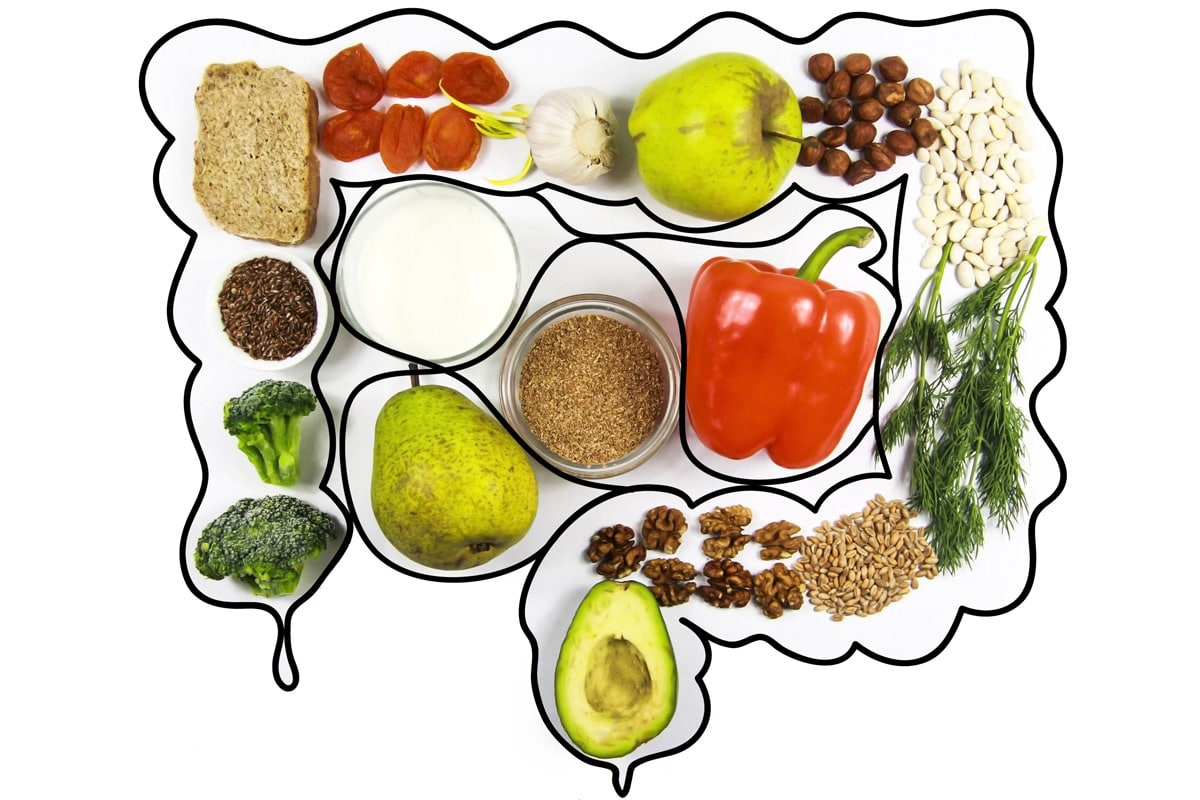
The body is made up of trillions of microorganisms. The bacteria in human bodies outnumber the human cells by 10 to 1. There are 30 to 400 trillion microorganisms living the gut making this area of the body the most bacteria rich. This area is known as the gut microbiome.
The bacteria are crucial for maintaining our gut health. The bacteria in your gut help create balance in your body by reducing inflammation, protecting against foreign pathogens, and supporting the immune system overall. Research shows that the gut is also directly linked to the brain through the gut-brain axis affecting serotonin production and other mechanisms that affect mental health.
What Causes Bad Gut Health?
Poor nutrition, stress, lack of exercise, and genetics all play a role in a compromised gut microbiome. Very interestingly, the way we were birthed plays a giant role in our gut health.
People born vaginally tend to have healthier guts whereas people born through caeserean sections are more likely to suffer from poor gut health. Poor gut health can lead to problems with the digestive system, nervous systems, allergies, inflammation, and inflammatory bowel diseases like crohns disease and ulcerative colitis.
Medically reviewed studies also indicate that fetuses who are exposed to high levels of stress are more at risk of poor gut health in adulthood. The first 2 years of life are crucial for building a healthy microbiome and this imperative stage determines a grand majority of adult gut function. Breastfeeding, good nutrition, and low stress levels all help with creating a healthy microbiome in children.