How to Understand the Numbers
The CDC categorizes blood pressure in three categories including normal, prehypertension, and hypertension. Normal BP is categorized with a systolic blood pressure less than 120 mm Hg and a diastolic blood pressure less than 80 mm Hg. Measuring your blood pressure is a good way to monitor whether you’re at risk for hypertension.
Diastolic vs. Systolic Blood Pressure
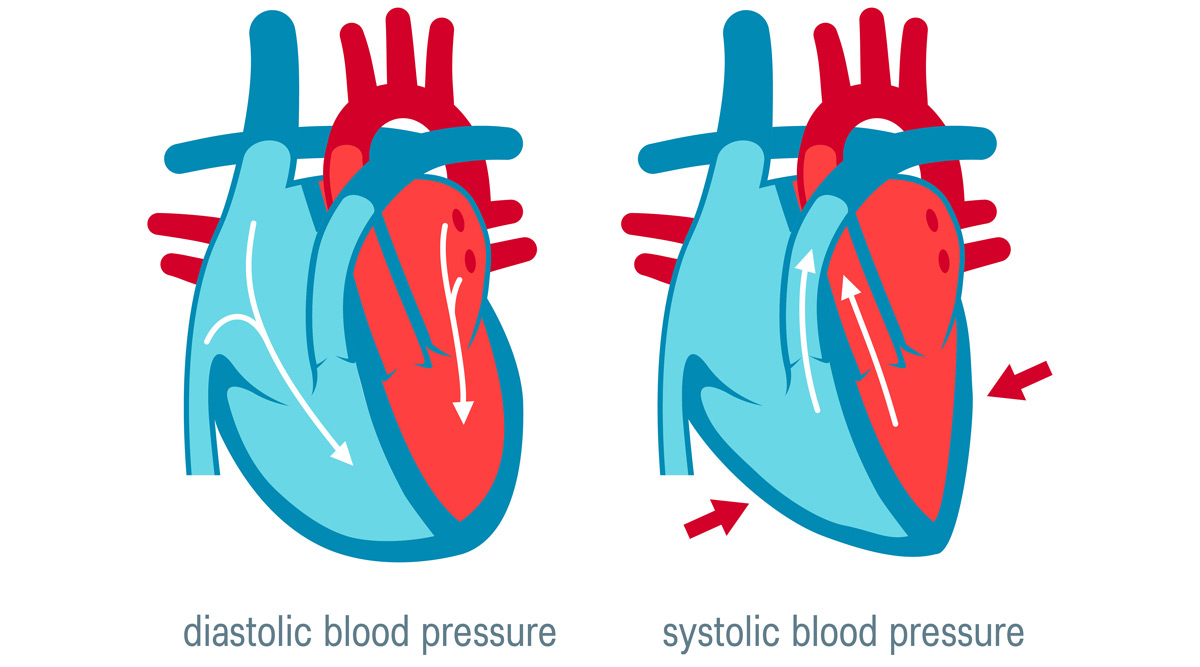
While these words may seem difficult, I’m here to help you remember what they mean to help you have a better understanding of how your body works. Your heart tenses, releases, and rests, so each of these stages have different pressures.
When you go for your annual physical or take your blood pressure at home, you’ll always see that a BP reading includes a top and bottom number. The top number is the higher number known as the systolic number whereas the bottom number is the lower number known as diastolic.
The pressure itself relates to that of the blood vessels like the arteries. When your heart beats and squeezes to push blood out to be pumped throughout the body, this creates pressure in the arteries resulting in the systolic BP top number.
Before your heart squeezes and beats, there’s a sliver a time when the heart is being filled with blood to be oxygenated. The pressure of the arteries during this time is known as the diastolic BP bottom number.
![[#1] Best CBD Products Made in USA | THC Free | CBD ReThink](https://cbdrethink.com/wp-content/uploads/2019/03/logo.png)





![[#1] Best CBD Products Made in USA | THC Free | CBD ReThink](https://cbdrethink.com/wp-content/uploads/2018/10/Rethink-logo-09.png "CBD for Managing High Blood Pressure? | ReThink")