Can CBD enhance sexual experiences?
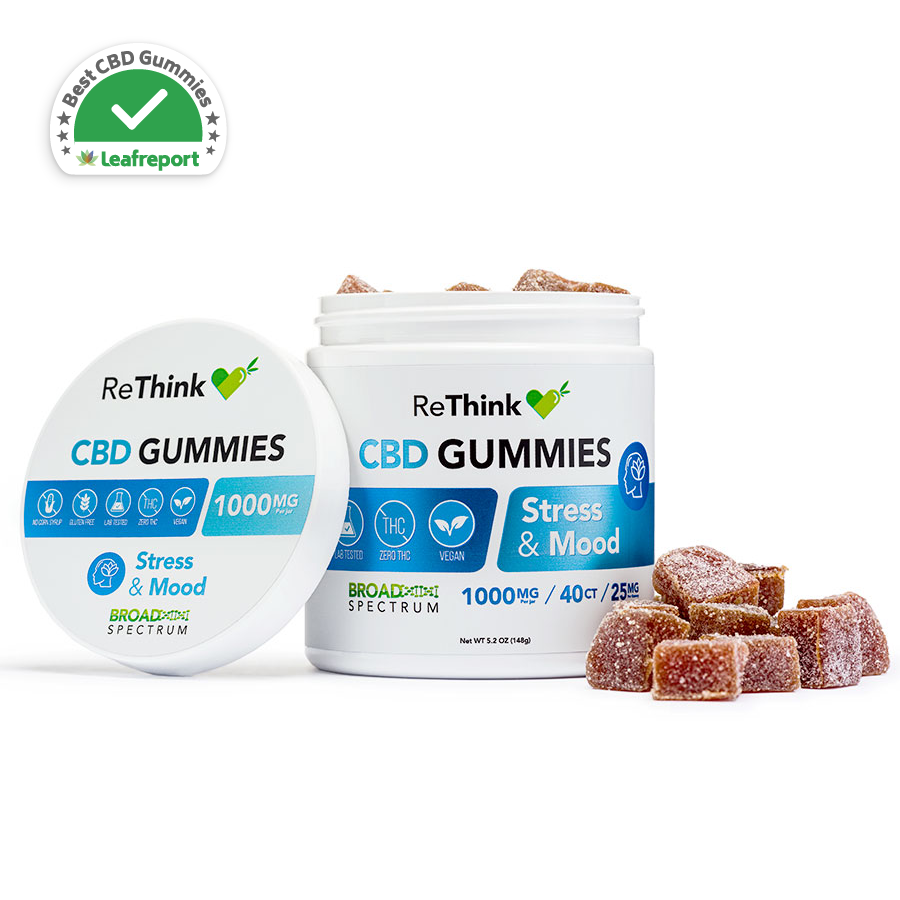
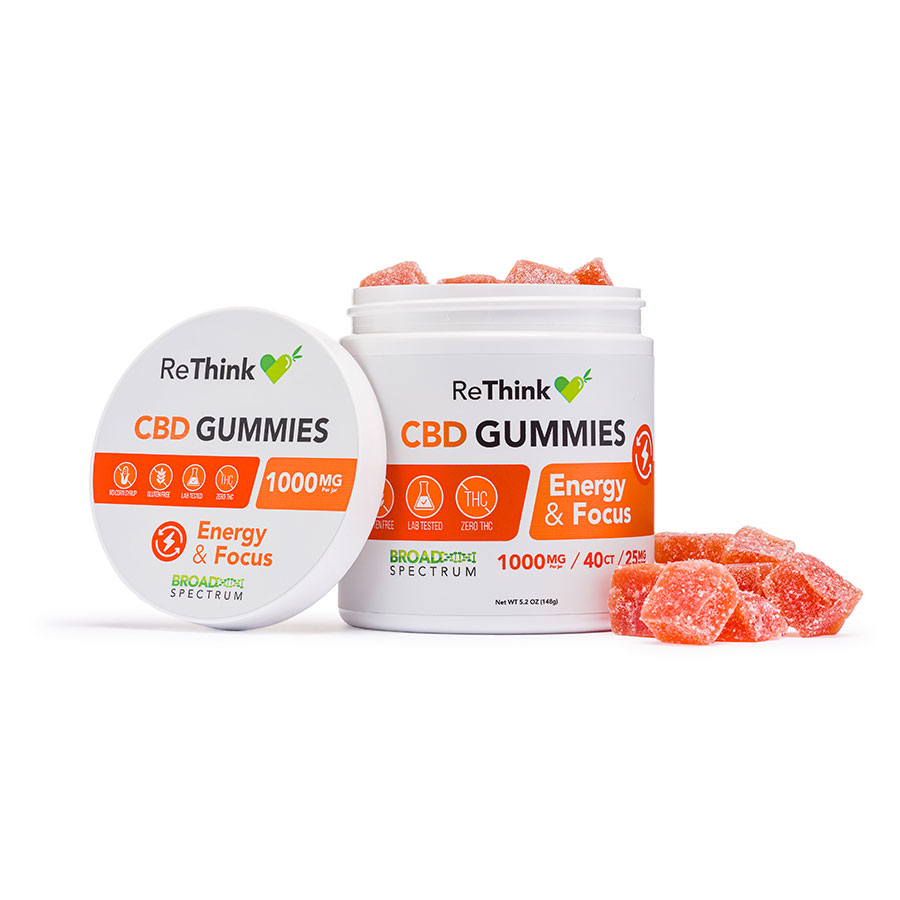
In recent years, the use of cannabidiol (CBD) products has skyrocketed, thanks to their potential health benefits. CBD has been touted for its ability to relieve pain, promote relaxation, and support overall wellness. One area that has piqued the interest of many is the potential of CBD gummies for sex. In this article, we explore the world of using CBD gummies to enhance sexual experiences and delve into the science behind it.
Introducing CBD and its Non-Intoxicating Nature
CBD is a natural compound derived from the hemp plant (cannabis sativa). Unlike its high-inducing counterpart, tetrahydrocannabinol (THC), CBD does not cause intoxication, or impairment. This means that consuming CBD products, such as gummies, will not result in the “high” typically associated with marijuana use.
How CBD Interacts with the Human Body
CBD interacts with the human body through the endocannabinoid system (ECS). The ECS is a complex cell-signaling system that plays a crucial role in regulating various physiological processes including mood, pain perception, appetite, and immune response. By influencing the ECS, CBD may have a wide range of effects on the body including potential impacts on sexual health and pleasure.
The ECS consists of three main components:
- Endocannabinoids: These are naturally occurring compounds produced by our bodies. The two most well-known endocannabinoids are anandamide (AEA) and 2-arachidonoylglycerol (2-AG). They bind to cannabinoid receptors to activate various biological responses.
- Cannabinoid receptors: There are two primary types of cannabinoid receptors in the ECS: CB1 and CB2 receptors. CB1 receptors are primarily found in the central nervous system, while CB2 receptors are mainly located in the immune system and peripheral tissues. Endocannabinoids bind to these receptors, initiating specific cellular responses.
- Enzymes: Enzymes are responsible for the synthesis and breakdown of endocannabinoids. Two key enzymes in the ECS are fatty acid amide hydrolase (FAAH), which breaks down anandamide, and monoacylglycerol lipase (MAGL), which breaks down 2-AG.
When CBD is consumed, it interacts with the ECS in several ways:
- CBD as an indirect agonist: CBD does not directly bind to CB1 or CB2 receptors but can indirectly influence them. It enhances the binding of endocannabinoids to these receptors, potentially amplifying their effects.
- Modulation of enzyme activity: CBD can inhibit the enzymes FAAH and MAGL, which are responsible for breaking down endocannabinoids. By inhibiting these enzymes, CBD increases the levels of endocannabinoids in the body, prolonging their effects.
- Interaction with non-cannabinoid receptors: CBD can also interact with other receptors in the body, such as serotonin receptors (5-HT1A), which play a role in mood regulation. This interaction may contribute to CBD’s potential anxiolytic and antidepressant effects.
CBD’s interaction with the ECS is complex and multifaceted. By modulating the ECS and influencing endocannabinoid levels, CBD can potentially have various effects on physiological processes, including pain perception, inflammation, mood, and immune response. However, further research is needed to fully understand the mechanisms and therapeutic implications of CBD’s interaction with the ECS.
CBD Gummies and Sexual Intimacy: Potential Benefits
The use of CBD gummies for sex has become increasingly popular as more people discover their potential benefits. Some of the ways CBD gummies may enhance sexual experiences include: